We’ve all been there. You spend hours curating the perfect gift—the gadget, the book, the artisan candle—something that truly speaks to the recipient's interests. Then comes the wrapping paper. Suddenly, after selecting the ideal item, you are confronted with an equally important, yet often overlooked hurdle: the packaging. It feels like a grand finale, but too often, it’s treated as mere trash destined for the recycling bin. But what if we changed that mindset? What if the wrapper, the ribbon, and the accompanying details could carry as much emotional weight as the gift inside? Crafting an unforgettable presentation turns a simple exchange into a memorable experience.
Making the gift packaging part of the gift narrative is not just about aesthetics; it’s about signaling care. It tells the recipient: "I didn't just pick something for you; I thought about how this would arrive, and I wanted that arrival to be beautiful." This elevated approach changes the entire dynamic of giving.
Beyond the Bow: Rethinking Presentation as an Art Form
The primary mistake most people make is viewing wrapping paper as a necessary evil—a functional barrier between gift and recipient. Instead, think of it as an opportunity for mini-storytelling. The presentation should complement the item inside without screaming "Look at me!" It needs to feel intentional, thoughtful, and cohesive. If you want to master this art, start by understanding that the packaging must evoke a feeling—cozy, luxurious, whimsical, sophisticated—before the recipient even peels off the first layer.
When considering how to make the gift presentation itself a centerpiece, we are moving from mere wrapping skills to design principles. Are you aiming for rustic charm, minimalist elegance, or maximalist joy? The answer dictates your entire material palette.
Choosing Materials: Texture, Scent, and Sustainable Drama
The materials you select are foundational. Forget generic solid colors printed with holiday motifs; instead, think about texture. A matte, recycled kraft paper feels grounded and warm. Thick velvet ribbon adds immediate luxury, even if the gift inside is modest. Incorporating scent is also a powerful tool that many people overlook. Do you have a nice cedar box or perhaps tie a small bundle of dried lavender to the bow?
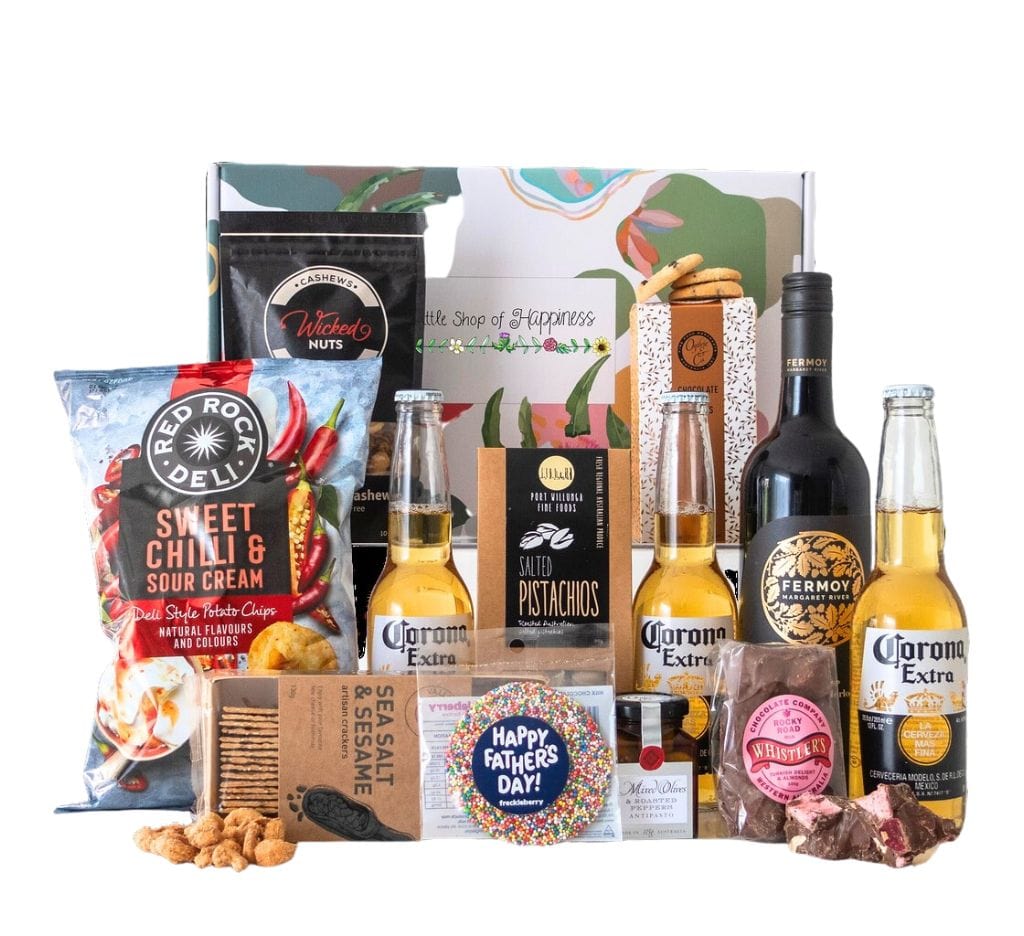
Consider these material angles:
- The Tactile Element: Using burlap, raw wood elements, or twine instead of plastic tape gives an immediate artisanal feel. The Scent Layer: A sprig of rosemary tucked into the wrap, or tying it with a ribbon scented lightly with vanilla, engages more than just sight. Sustainability Spotlight: By choosing recycled or biodegradable materials, you show not only care for the recipient but also for the planet.
How much effort do you really need to put in to make an item feel elevated? The answer is often found by simply upgrading one element—switching out plastic bows for braided jute, for example. This small shift can entirely change the perceived value.
Mastering the Art of Layering and Dimensional Impact
A flat gift, no matter how beautiful the contents, always looks less impactful than a layered one. To truly make the presentation feel like a centerpiece, you need to build dimensionality. It’s about creating visual weight that draws the eye into an appreciation of detail.
Think vertically and horizontally. Instead of simply wrapping the box and tying a bow on top, try building around it. You could place the gift inside a decorative tray, wrap the tray rather than just the box, or use multiple sizes of ribbon in varying patterns to create depth. One time, I was asked by a friend who always struggled with gifts for his mother; we ended up using old maps and tying them around the whole package structure, making it look like an archaeological find. It worked brilliantly!
This layered approach signals that effort was spent not just on wrapping, but on designing the arrival moment. When considering how to make the gift presentation itself a centerpiece, remember that every element—the tissue paper folds, the contrasting ribbons, the little handwritten tag—is an opportunity for dimension.
Infusing Personality: The Storytelling Element
The most powerful component of any gift presentation is the story behind it. This is where sentimentality overtakes mere decoration. Don't just attach a gift card; attach a personalized note that references a shared memory or an inside joke. If you can make the presentation feel like an extension of your relationship, the gift itself becomes secondary to the thoughtfulness.
A great quote in this context might be: "The true meaning of life is to plant seeds of joy and watch them grow." Your wrapping should embody that idea—it shouldn't just contain the joy; it should look like it grew out of care. When you focus on making the gift presentation itself a centerpiece, use your words as much as your hands.
Consider these additions:
- A small packet of gourmet tea or coffee beans. A personalized bookmark tied to the ribbon. A printed photo collage attached to the exterior using twine and miniature clothespins.
Are you giving an object, or are you giving a moment? Focusing on the narrative makes the presentation feel rich with meaning.
Curating the Unforgettable Unboxing Experience
The process of unwrapping should be almost as pleasurable as opening it. This requires paying attention to every single detail—the tissue paper folding, the way the ribbon falls when untied, and the initial sound when the recipient lifts the lid. The unboxing journey must feel like a ritual.
If you are tackling how to make the gift presentation itself a centerpiece, keep these logistical points in mind:

- Avoid Excess: Don't use five different types of ribbon; choose two complementary ones and stick with them. Consistency is elegant. Test for Durability: Will the wrap survive being carried? Is it too flimsy or too cumbersome? The Final Touch: A small card stating, "Open me slowly," can prime your recipient for a mindful appreciation of the moment.
Continuing the Joy Beyond the Ribbon
Mastering the art of gift presentation is less about following rigid rules and more about adopting an elevated mindset toward giving in general. The techniques you learn—the understanding of complementary textures, the power of narrative, and the importance of thoughtful layering—can be applied to everything from hosting a dinner party to curating a personal collection.
As you continue to give gifts throughout the year, remember that the goal is not perfection; it is connection. By focusing on the journey the gift takes from your hands to theirs, you are ensuring that the memory remains vivid long after the wrapping paper has been discarded. Start practicing today: pick up an ordinary item and spend fifteen minutes over-thinking its packaging. You will be astonished at what a little extra effort can accomplish.
Keep these principles of aesthetic care and emotional depth in mind, and you won't just be giving gifts—you'll be curating moments.