Chocolate hampers are the sweet‑tooth’s equivalent of a red‑carpet welcome—rich, indulgent, and meant to make an impression. Yet, when the packaging looks more like a cardboard fortress than a gift, the charm can melt faster than a truffle on a summer table. This guide explains why avoiding over‑packaging in chocolate hampers matters, pinpoints the usual culprits, and offers practical, eco‑friendly tactics that keep the focus on the cocoa, not the corrugate. Expect a dash of humor, a sprinkle of data, and a few real‑world https://files.fm/u/3d9wvfqf63 anecdotes to keep things tasty.
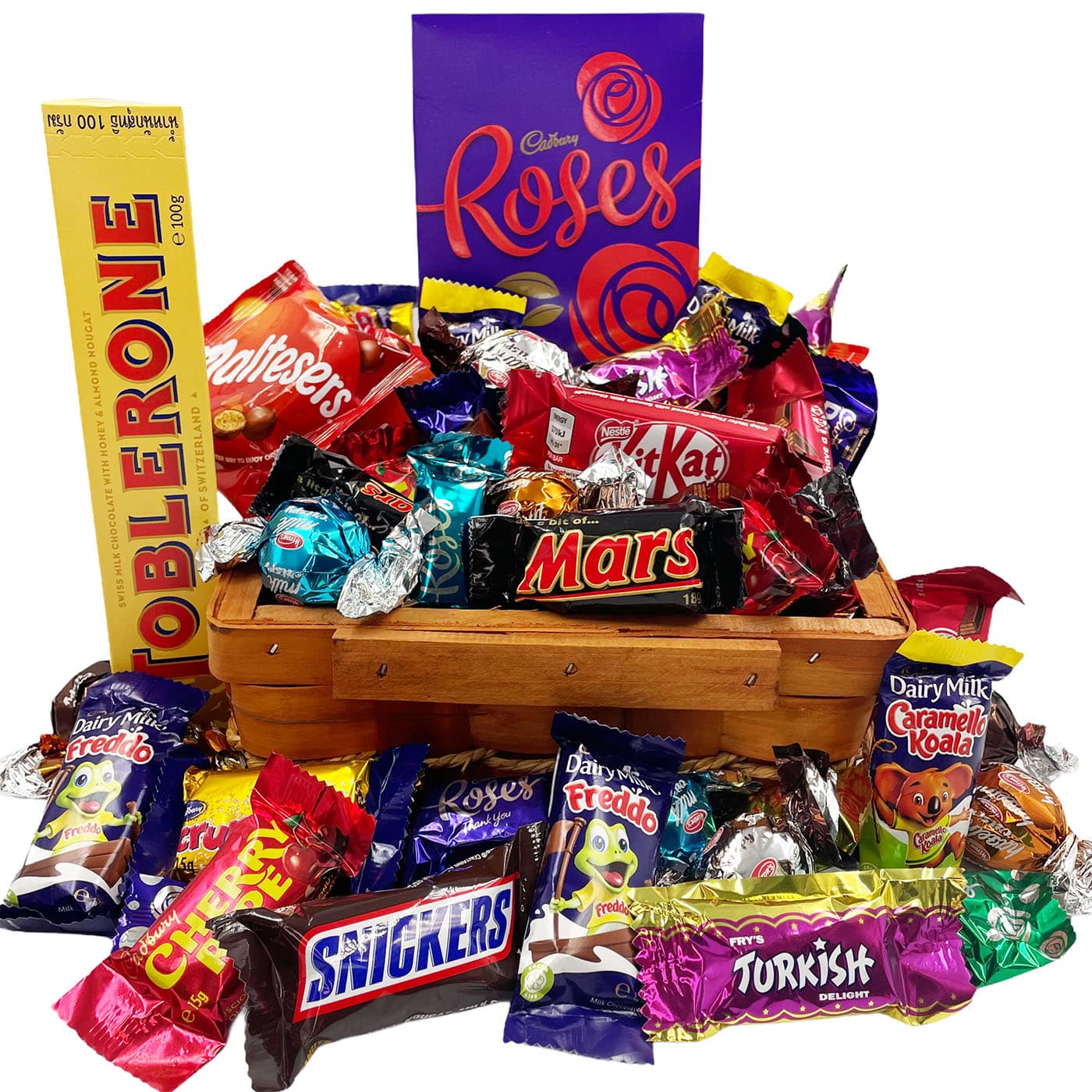
Why Over‑Packaging Matters
Environmental impact
Every extra layer of tissue, plastic wrap, or oversized box adds weight to the waste stream. According to the UK Waste and Resources Action Programme, packaging accounts for roughly 30 % of the nation’s total waste. When a chocolate hamper is wrapped in more material than needed, the carbon footprint of the gift swells—sometimes eclipsing the emissions generated during cocoa production itself. In other words, the “gift that keeps on giving” can become a gift that keeps on polluting.
Consumer perception
Modern shoppers are increasingly savvy about sustainability. A 2023 survey by Nielsen found that 73 % of consumers would switch brands if a company demonstrated clear eco‑friendly practices. If a recipient has to wrestle through a labyrinth of plastic before reaching the chocolates, the goodwill you intended may dissolve like a poorly tempered ganache. Over‑packaging can signal a lack of thoughtfulness, turning a delightful surprise into a “what‑the‑heck‑was‑that?” moment.
Common Sources of Over‑Packaging in Chocolate Hampers
Even the most well‑intentioned gift giver can fall into these traps:
- Multiple layers of tissue paper – often used for “extra cushioning” but rarely needed. Plastic clamshells – great for visibility in stores, terrible for landfill. Oversized cardboard boxes – the larger the box, the more filler material required. Individual foil wrappers on each piece – while sometimes necessary, they can be replaced with recyclable alternatives. Decorative ribbons and bows made from synthetic fibers – they look pretty but rarely decompose.
Identifying which of these elements appear in your hamper is the first step toward trimming the excess.
Strategies for Avoiding Over‑Packaging in Chocolate Hampers
Choose sustainable materials
Switching to recyclable or compostable options can dramatically cut waste. Consider:
- Kraft paper or recycled cardboard that can be reused as gift wrap. Plant‑based bioplastic trays that break down in industrial composters. Natural fiber ribbons (jute, cotton) that can be repurposed as décor.
When the material itself tells a story of responsibility, the hamper feels like a thoughtful gesture rather than a disposable afterthought.
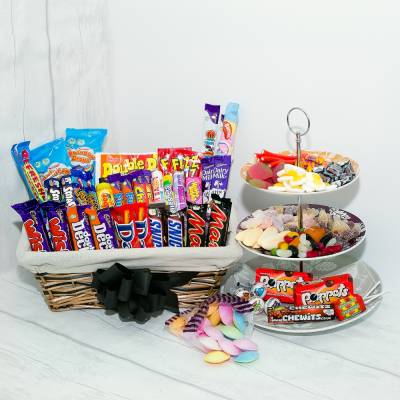
Right‑size the box
A box that’s too big is a classic case of “the bull in a china shop.” Measure the combined dimensions of the chocolates and any necessary inserts, then select a box that fits snugly. A well‑fitted container reduces the need for filler, and it also creates a more elegant unboxing experience—no wasted space, just a clean reveal.
Minimalist design tricks
Less can be more, especially when it comes to presentation:
- Layered arrangement – place chocolates directly on a thin, recyclable tray rather than in individual compartments. Single‑sheet separators – a thin sheet of parchment can keep pieces separate without bulky dividers. Strategic use of color – a bold, printed box can eliminate the need for extra decorative ribbons.
These approaches keep the focus on the confectionery itself while still delivering a polished look.
Real‑World Success Stories
When I visited a boutique chocolatier in Bath last autumn, I witnessed a perfect example of avoiding over‑packaging in chocolate hampers. The shop had recently revamped its hampers after a customer complained that the “gift looked like a mini moving truck.” The owner, Emma, replaced the oversized cardboard with a sleek, reusable tin and swapped plastic wraps for a single sheet of recycled parchment.
> “Sustainability isn’t a trend; it’s the new standard for gifting,” Emma told me, smiling as she placed a handcrafted truffle into the tin.
The result? Sales rose 12 % within three months, and the shop’s Instagram buzzed with the hashtag #EcoChoco. Emma’s story illustrates that cutting back on packaging doesn’t mean cutting back on impact—it can actually amplify brand loyalty.
Making Your Selection Count
Now that you understand the why and the how, it’s time to put the knowledge into practice. The next time you curate a chocolate hamper, ask yourself:
- Is every layer serving a purpose, or am I just adding fluff? Can the same visual appeal be achieved with fewer materials? Am I choosing packaging that tells a story of care, not carelessness?
By treating the hamper as a canvas rather than a cardboard cage, you turn a simple gift into an experience that respects both the recipient and the planet.
Start small: replace one plastic wrap with a compostable alternative, or opt for a box that fits the chocolates like a glove. Over time, these incremental changes add up, creating a ripple effect that spreads through supply chains and consumer expectations alike.
If you’re looking for suppliers, many eco‑focused packaging companies now offer customizable, low‑waste solutions—just a quick search away. Remember, the sweetest part of any gift is the thought behind it; let that thought shine through lean, elegant packaging.
So go ahead, craft that chocolate hamper with confidence, knowing you’ve sidestepped the pitfalls of over‑packaging. Your guests will taste the difference, and Mother Earth will thank you with a greener, cleaner future—one chocolate at a time.